Skip Hire in Swiss Cottage
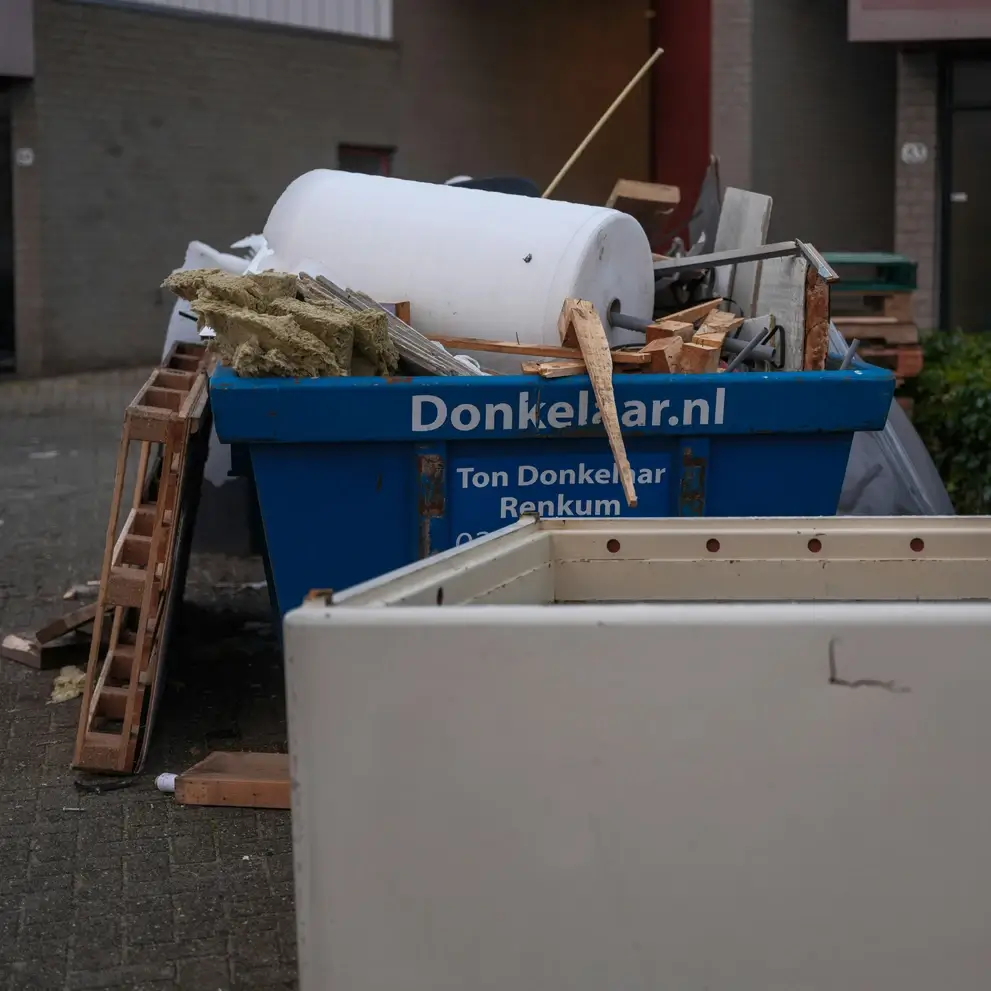
Skip hire in Swiss Cottage is a straightforward way to manage waste from home clearances, renovation work and routine property improvements. Our service is built around giving you a practical container for mixed non-hazardous waste, with options that suit different project sizes and access constraints. Whether you are clearing a flat, tidying a garden or dealing with builder’s debris, the aim is to keep disposal organised, lawful and simple to arrange.
We provide a clear choice of skip-hire services, from standard skip hire to more specific options such as domestic and builder-focused collections. The key is matching the container to the waste stream, the available space and the way the materials will be loaded. That helps keep the job efficient and reduces the chance of choosing a skip that is too small, too large or unsuitable for the site.
If you are planning a clear-out in Swiss Cottage, start by thinking about what you need to dispose of and how quickly the waste will build up. Use the right size and service type from the outset, and it becomes much easier to manage the work in one go. Speak to us if you would like to compare options or request a quotation.
Domestic and household waste solutions
Household projects often produce a mix of bulky and awkward items, including broken furniture, old fixtures, packaging, bagged rubbish and light DIY waste. Our domestic skip options are intended for that kind of load, giving you a practical container for one-off clearances or phased work over a few days. This is useful when you want a single place to keep waste together rather than making repeated trips to a disposal site.
For wider residential jobs, our domestic skip hire service can support loft clearances, room refurbishments and general decluttering. If the project includes wardrobes, shelving, underlay, timber offcuts or broken small fittings, it is usually best to separate anything that may need special handling before loading begins. That makes the skip easier to fill and helps you avoid placing unsuitable materials inside.
Choosing the right household option
It is often helpful to decide whether the job is mainly a clear-out, a decoration project or a small renovation, because each tends to create a different waste pattern. A clean-out may be dominated by light, mixed household items, while a refurbishment can produce heavier debris and sharper offcuts. If you are unsure which service fits best, a brief description of the materials is usually enough to narrow the choice and prepare an accurate quotation.
Builder’s waste and renovation debris

Building work tends to produce dense, varied waste that needs a container suited to rubble, plasterboard, timber, packaging and broken materials. Our builders’ skip hire service is aimed at that type of work, helping contractors and homeowners keep demolition fragments and renovation waste together. For projects where waste volumes rise quickly, this can be a more practical option than relying on ad hoc disposal runs.
We also offer construction waste disposal and construction waste clearance for jobs that need more structured removal of site debris. These services are useful when waste needs to be cleared as a project advances rather than waiting until the end. Material type matters here: clean inert waste, mixed demolition debris and lighter packaging can all affect how a load is planned and what sort of container makes most sense.
When you are comparing options, consider access, loading method and the likely weight of the waste. A skip that is easy to place but awkward to fill can create unnecessary delays, while the wrong service type may not suit the material mix. Good planning reduces rehandling and keeps the site more manageable. If you are ready to move ahead, ask for a quote and we will help you work out the most suitable approach.
Clearance services for larger or mixed loads
Some jobs generate waste that is better handled as a clearance rather than a standard container delivery. That can include items from garages, lofts, offices or whole rooms, especially where goods are bulky, mixed or being removed in stages. Our clearance-related services are intended to support that kind of work with practical removal and disposal options suited to the volume and type of materials involved.
Relevant options include garage and loft clearance, house clearance and office clearance. Each one serves a different setting, but the basic decision is similar: identify whether you need a container for ongoing loading or a more direct clearance process for items that are being removed quickly. Furniture, archived paper, broken fixtures and general clutter each raise slightly different handling considerations.
If your project involves several categories of waste, it can help to separate anything reusable, recyclable or specialist before the main removal begins. That makes the process tidier and may make it easier to select the right service route. In practical terms, the clearer the material list, the easier it is to arrange a suitable collection and to request a quotation with confidence.
Garden, outdoor and property maintenance waste
Outdoor maintenance creates a different waste profile from interior work. Soil, cuttings, branches, fencing panels, broken pots, turf and general garden debris can all accumulate quickly after seasonal tidying or landscaping tasks. Our garden waste removal service is designed for that type of material, giving you a straightforward way to dispose of outdoor waste without cluttering the space you are trying to improve.
For larger external projects, site clearance and builders waste removal may be more suitable, especially where the work involves mixed debris from landscaping, hardstanding changes or light structural alterations. These services are useful when waste is more varied than simple green cuttings and may include timber, packaging, broken masonry or stripped-out fittings. A careful assessment of the load helps prevent the wrong disposal route from being chosen.
As a rule, outdoor waste is easier to manage when the heavier and lighter materials are kept in mind separately. Branches and foliage load differently from compacted soil or paving fragments, and that can influence the most practical service. If you are unsure which option suits your project, tell us what the job involves and we can help you decide how best to proceed.
Specialist collection and recycling options
Not every waste job is best handled as general rubbish. Some materials need a more specific approach because of size, composition or handling requirements. We offer several specialist services for customers who want a clearer route for unusual items, larger quantities or loads that benefit from tighter sorting before disposal. This is particularly useful when the waste is bulky but not necessarily suitable for a standard mixed container.
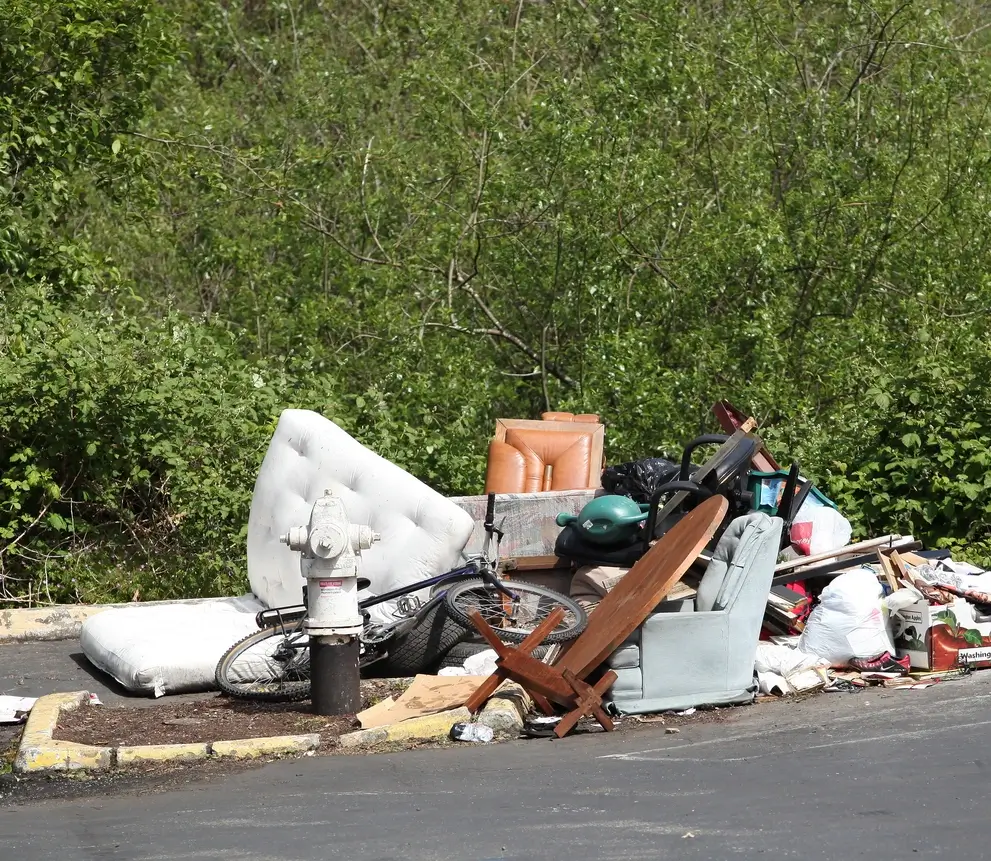
Examples include fridge and appliance removal, mattress and sofa disposal and rubbish removal. These services support different disposal needs: appliances may require separate handling, upholstered furniture can be awkward to move, and mixed rubbish may be better removed directly rather than stored on site. In each case, the aim is to match the collection method to the item type.
Our waste recycling services also play an important role where materials can be separated for more responsible treatment. Sorting at source can improve efficiency and help reduce contamination in the load. If you are planning a clearance that includes several different categories of waste, it may be worth discussing which items should be listed separately before you ask for a quotation.
Skip sizes, access and practical planning

Choosing the right skip is not only about volume; it is also about how the waste will be loaded and where the container can safely be placed. A smaller skip can be perfectly adequate for dense waste, while a larger one may suit lighter but bulkier materials. Our skip sizes and prices page is useful when you want to compare typical capacity choices alongside the factors that affect overall cost.
For customers who need a container in a tight street, courtyard or shared access area, enclosed and lockable skip hire may be worth considering. That option can be helpful where you want to keep materials covered or manage access more carefully. If access is especially constrained, wait and load skip hire may be the better fit because the waste is loaded while the vehicle is present rather than leaving a skip on site.
Three simple checks usually help shape the choice: how much waste there is, what kind of waste it is and how easy it will be to load.
- Estimate the main material type.
- Think about the space available for placement.
- Consider whether loading will happen in one session or over several days.
Permits, access and site control
Where a skip cannot be placed entirely on private land, a permit may be required depending on the location and local rules. Our skip permits information is helpful if the container needs to sit on a public road or another shared area. The key issue is not just convenience; it is making sure the placement is allowed and planned in line with the relevant requirements.
If you are arranging a delivery in a space that must remain secure or where the waste should stay protected, it is worth looking at how the load will be managed through the day. Access for vehicles, pedestrian movement, neighbouring properties and any timed restrictions can all affect the most workable arrangement. In some cases, a permit-based placement is suitable; in others, a more controlled collection method is preferable.
For this reason, it helps to describe the site as plainly as possible when you enquire. Mention whether the skip is going on a drive, forecourt, road or shared access area, and whether the waste will be loaded all at once or gradually. That gives a clearer basis for advice and makes it easier to book the right service without unnecessary back-and-forth.
Pricing factors, waste types and quotation details
Skip hire prices usually depend on more than one factor, including the size of the container, the type of waste, the duration of hire and any access or permit considerations. For projects with mixed materials, it is useful to think about whether the load is mainly light household waste, dense construction debris or a combination of both. That distinction can influence the most suitable service and the likely handling requirements.
Where clarity is important, our pricing and quotes page gives a useful starting point for understanding how quotations are prepared. It is also worth checking what can go in a skip before you load anything, because unsuitable items can affect the disposal route and may need a different solution. Good item descriptions make quotations more accurate and help avoid avoidable delays later on.
Tell us what needs removing, how the site is accessed and whether you need a skip or a clearance-style service. That is usually enough to begin a sensible quotation process. If you are ready to compare options for Swiss Cottage, you can make your enquiry now and we will help you choose the most suitable route.
About Swiss Cottage

Swiss Cottage is an area in the London Borough of Camden in north-west London, best known for the junction where Finchley Road meets Avenue Road and for the landmark Swiss Cottage landmark and surrounding road network that gives the district its name. The place has long been shaped by major transport movement, with Swiss Cottage station on the Jubilee line providing a direct Underground link and nearby bus routes reinforcing its role as a busy local centre. The district sits between areas such as St John’s Wood, Belsize Park and Hampstead, and that position has helped it develop as a connecting point rather than a self-contained village. Architectural character varies noticeably across the area: some streets contain late nineteenth and early twentieth-century residential terraces, while other parts show later redevelopment, post-war buildings and newer mixed-use schemes. One of the best-known local reference points is the Hampstead Theatre, which has contributed to the area’s cultural profile, while Regent’s Park lies within convenient reach to the south-east and adds to the wider network of open spaces nearby. Swiss Cottage is also associated with the nearby Jewish Museum site and with a generally urban streetscape that combines commercial frontage, residential blocks and through-routes carrying significant traffic. The area’s name itself dates back to an inn called the Swiss Tavern, later known as Swiss Cottage, which once stood close to the junction and helped fix the location in local memory. Today the district remains recognisable as a busy Camden neighbourhood with strong transport links, a layered built environment and a clear place within north-west London’s urban geography.
Commercial skip options for different project types
Commercial premises often create waste streams that need a more scheduled approach than a simple one-off household collection. Shops, offices, contractors and landlords may all need removal arrangements that fit working hours, access rules and larger volumes of packaging or fit-out material. Our commercial-focused skip services are intended to support that kind of work with practical containers and clear disposal planning.
Relevant options include commercial skip hire and same day skip hire where timing is important and the site can accommodate the delivery. For loads that need a more direct collection model, grab hire services and grab lorry hire may be suitable alternatives. They can be especially useful where the waste is loose, bulky or accumulated in a way that is easier to remove in one operation rather than piece by piece.
It is worth matching the service to the pace of the job. A fit-out may need repeated removal, while a one-off clearance may be better handled through a single visit. The more clearly the waste type, access and timing are described, the easier it is to arrange an efficient solution and to request a quotation that reflects the actual work.