Skip Hire Swiss Cottage — Insurance and Safety for an Insured Rubbish Company
Comprehensive Insurance Cover for an insured rubbish company
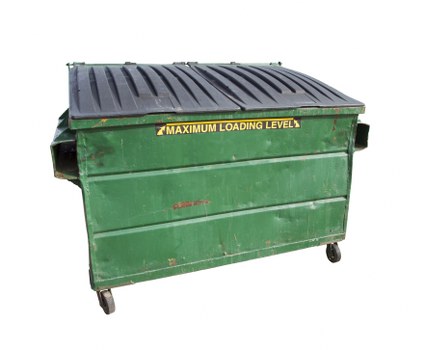 At Skip Hire Swiss Cottage we prioritise safety and legal compliance through robust public liability insurance and tailored cover for every job. As a professional insured rubbish company, our policies are designed to protect clients, staff and third parties from accidental damage, injury, or property loss arising from waste collection, skip placement and on-site operations. This page explains how our insurance, training and safety systems work together to provide reliable insured waste removal services.
Public liability insurance is the cornerstone of our risk management. Our cover limits are selected to match the scale of work we undertake for residential and commercial clients, and as an insured skip hire company we ensure every contract includes verification of cover. Proof of insurance is maintained for audit and compliance purposes, and our claims handling processes are established to respond quickly in the unlikely event of an incident.
 Beyond policy documents, our commitment as an insured rubbish removal firm includes regular reviews of our insurance schedule to reflect changes in fleet size, services offered and regulatory requirements. We work with insurers experienced in waste management risks to ensure that our public liability and vehicle insurances are appropriate for skip hire operations, hazardous material segregation and site-based waste clearing.
Staff Training: Competence for a safe insured waste removal company
Skilled personnel are essential for safe operations. Our staff training programmes are developed specifically for an insured waste management provider and cover manual handling, safe loading of skips, traffic management when placing containers on public highways, and incident reporting. Training is a combination of classroom instruction, practical on-site mentoring and periodic refresher modules to keep skills current.
 Induction sessions for new crew members emphasise the roles and responsibilities that come with working for an insured skip hire company. Topics include understanding public liability implications, how to use and interpret risk assessments, and the correct escalation routes if a hazard is identified. We document training outcomes and retain records to demonstrate competence and compliance.
Key elements of our staff training include:
- Site-specific safety briefings before every assignment.
- Vehicle and plant operation training for drivers and machine operatives.
- Emergency response and first aid instruction aligned with public liability expectations.
PPE and on-site protective measures for an insured skip hire Swiss Cottage team
Personal protective equipment (PPE) is provided to all employees and is a mandatory requirement on every job. As an insured skip hire Swiss Cottage operator, we ensure that PPE standards are not just met but consistently enforced: hi-visibility clothing, protective gloves, safety boots, eye and hearing protection where required, and respiratory protection for dusty or hazardous loads.
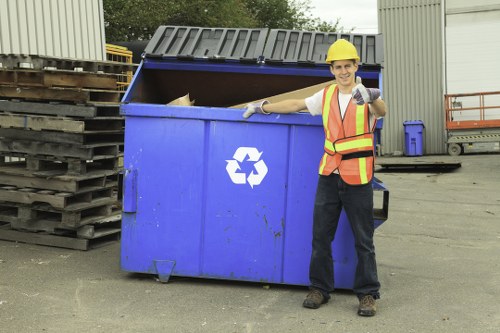 Our PPE policy is linked to the risk assessment process so that any additional protective measures are identified before work begins. Supervisors conduct spot checks and use checklist forms to confirm compliance, and crews are empowered to stop work if unsafe conditions are detected. This proactive approach helps reduce the likelihood of claims against our public liability insurance.
 Risk assessment is central to operating safely as an insured rubbish company. We carry out systematic, documented assessments for every site and skip delivery or collection. Each assessment identifies hazards, evaluates the level of risk, determines control measures and assigns responsibility. Typical risk controls include traffic management plans, exclusion zones around lifting operations, proper segregation of hazardous wastes and clear instructions for householders and site staff.
Our risk assessment process and continuous improvement
Our risk assessment process follows a structured approach designed for an insured waste removal company. It begins with a pre-job survey, including photographic records and notes on access, underground services, overhead cables and local traffic conditions. The assessment leads to a documented safe working method statement that accompanies every team to site.
We apply the hierarchy of controls to eliminate or reduce risks: removal of hazards where possible, engineering controls such as barriers, administrative controls including traffic management and training, and finally PPE. Regular audits, incident reviews and lessons learned ensure the process evolves and remains effective for both routine and complex jobs.
For clients choosing an insured rubbish removal company, our combined approach of comprehensive public liability insurance, detailed risk assessments, thorough staff training and enforced PPE standards delivers clear value: predictable, safe, and compliant skip hire and waste services. We document our procedures, maintain robust records and regularly review all aspects of safety to keep standards high and claims exposure low.
Why insurance and safety matter
Choosing an insured skip hire company ensures protection for property owners, members of the public and contractors. It reduces financial uncertainty and supports responsible waste management practices that protect health, property and the environment. Our model integrates insurance, training and proactive risk control into day-to-day operations so every job is delivered with professionalism and care.
All procedures are documented and accessible to our teams, and periodic management reviews benchmark our performance against industry best practice. This continual improvement culture ensures that our insured waste management services remain reliable, legally compliant and focused on preventing harm long before a claim can occur.
Summary of commitments:
- Robust public liability and operational insurance maintained at industry-appropriate limits.
- Comprehensive staff training and competency records for all operatives.
- Mandatory PPE and enforcement through supervisory checks.
- Formal risk assessment and safe systems of work for every assignment.