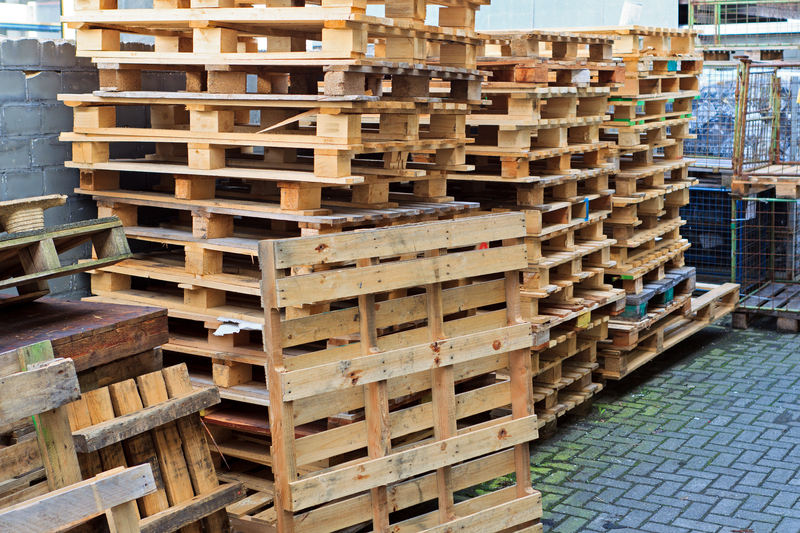
How to Properly Recycle Packaging and Cardboard

How to Properly Recycle Packaging and Cardboard isn't just a nice-to-have--it's a daily habit that saves money, reduces emissions, and keeps our streets and oceans cleaner. Whether you're breaking down a delivery box in a flat in Manchester, or managing pallets of corrugate in a London warehouse, getting it right matters. And yes, it's easier than it looks once you know a few core rules. You'll see why.
Table of Contents
- Why This Topic Matters
- Key Benefits
- Step-by-Step Guidance
- Expert Tips
- Common Mistakes to Avoid
- Case Study or Real-World Example
- Tools, Resources & Recommendations
- Law, Compliance or Industry Standards (UK-focused)
- Checklist
- Conclusion with CTA
- FAQ
Why This Topic Matters
Cardboard and paper-based packaging are the backbone of modern commerce. Every parcel, every cereal box, every mailer--there's a story of fibre behind it. In the UK, paper and cardboard packaging already enjoys strong recycling rates (around 85% according to DEFRA's recent packaging statistics), yet there's still significant contamination and missed opportunities. When cardboard is clean, dry, and sorted, it retains high value as a secondary raw material--feeding UK and European paper mills to make new boxes in as little as two weeks.
Why harp on about "How to Properly Recycle Packaging and Cardboard"? Because a soggy pizza box or a stray strip of plastic film can downgrade an entire batch. Because businesses can cut waste bills by baling OCC (Old Corrugated Containers) and selling it. Because households can lower emissions and support a circular economy with small, everyday habits. To be fair, it's also the easiest win in sustainability. Low effort, big return.
A quick real-life image: it's raining hard outside, you carry a stack of boxes to the bin, and--splash--they get wet. Later, you see them rejected at kerbside. That tiny moment changes the fate of those fibres. Keep them dry and they become new boxes. Let them soak and they're likely lost to energy recovery. Little choices, big outcomes.
Key Benefits
- Environmental gains: Recycling cardboard saves trees, water, and energy. It typically uses 60-70% less energy than virgin production and slashes landfill methane risk.
- Cost savings: For businesses, segregated cardboard reduces general waste lifts and can generate rebate income--especially when baled to mill-ready grades.
- Compliance and reputation: Meeting UK waste regulations isn't optional. Doing it well improves ESG scores and customer trust. Clean, clear, calm. That's the goal.
- Operational efficiency: Flattened and baled packaging reduces clutter, fire risk, and manual handling issues.
- Circular economy: High-quality fibre stays in circulation, building supply security and price stability for the packaging you'll need next quarter.
And--let's face it--recycling cardboard just feels good. There's a satisfying crunch when you flatten a box, a tidy stack by the door, a sense of order in the room.
Step-by-Step Guidance
Here's the practical, no-nonsense guide to how to properly recycle packaging and cardboard at home and at work. Follow these steps and you'll cut contamination and costs in one go.
1) Identify your packaging types
- Corrugated cardboard (OCC): Shipping boxes, e-commerce cartons, multi-wall boxes. Highest value when clean and dry.
- Paperboard (cartons): Cereal boxes, shoe boxes, cosmetic packaging. Usually recyclable if free from food residue and plastic/metal layers.
- Composite packaging: Boxes with plastic windows, foil linings, or wax coatings. Some are recyclable, some not--check labels (OPRL) or your council guidance.
- Paper mailers and padded envelopes: All-paper mailers typically fine; paper + bubble wrap are mixed-material and often not accepted in paper streams.
Ever opened a parcel and found foam peanuts, tissue paper, and three different tapes? Yeah, we've all been there.
2) Keep it dry--really dry
Moisture wrecks fibre quality and can mould. Store cardboard indoors or under cover. If it's drizzling, wait. One soggy box in a stack can cause a rejection downstream. If a box is soaking wet, let it dry fully before recycling--or consider disposing it if structural integrity is gone.
3) Remove contaminants
- Peel off plastic film and bubble wrap. Place with soft plastics if your local scheme accepts it, otherwise general waste.
- Cut out large plastic windows. A small window might be tolerated, but best practice is to remove it.
- Scrape food residue. Food-soiled cardboard (greasy pizza boxes) often isn't recyclable--tear off the clean lid and recycle that, bin the greasy base.
4) Flatten everything
Break down boxes to save space and prevent overfilled bins. For businesses, flattening is step one to baling; for households, flattened boxes improve kerbside collections and reduce wind-blown litter. The sound of a box folding flat--oddly satisfying.
5) Remove tape and labels (within reason)
Most facilities tolerate small amounts of tape and labels; modern pulping removes them. However, excessive tape, plastic strapping, and metal clips should be removed. Staples are generally fine, but large metal bindings aren't.
6) Sort by material
- Households: Put clean cardboard with paper in your kerbside recycling, following your council's instructions.
- Businesses: Keep OCC separate from mixed paper to preserve value. Bales of OCC fetch better rebates and meet EN 643 grading more easily.
7) Use the right containers
- Domestic: Use your council's recycling bin or box. If you have overflow, check if your council offers bulky cardboard pick-up or if you can drop additional loads at a Household Waste Recycling Centre.
- Commercial: Use dedicated wheeled bins (660L/1100L) for cardboard only, or invest in a baler if volumes justify it. Keep bins under cover.
8) Baling for businesses
If you generate significant volumes, a small vertical baler can pay for itself rapidly. Target dry, clean bales, strapped tightly. Typical small bales weigh 80-150 kg; mill-sized bales can exceed 400 kg. Keep contamination under 2-3% by weight to maintain grade value.
9) Label and educate
In offices, warehouses, or shops, clear bin signage beats wishful thinking. Use colour-coded labels, show photos of accepted items, and put non-recyclables right next to recycling stations to reduce "bin wandering." A two-minute induction saves hours of sorting later.
10) Collections and paperwork
- For commercial collections, use a licensed waste carrier and keep Waste Transfer Notes (or season tickets). Record European Waste Catalogue codes like 15 01 01 (paper and cardboard packaging) or 20 01 01 (paper and cardboard municipal).
- Schedule collections to avoid overflows and windblown litter; early morning lifts are often best for shops on busy high streets.
11) Continuous improvement
Track contamination levels, rejection rates, and rebates over time. Small tweaks--like reconsidering what packaging you buy--can reduce waste at the source. Ask suppliers for recyclable materials and minimal void fill.
12) When in doubt, check labels and local rules
The UK's On-Pack Recycling Label (OPRL) is your friend. It accounts for actual UK infrastructure, not just theoretical recyclability. If local rules differ, follow your council--collection systems vary by area.
Micro moment: One facilities manager in Birmingham told us they moved the cardboard bale store two metres closer to the loading bay. Result? Fewer weather-damaged bales and a tidy ?120 per month saved on contamination deductions. Tiny change, big difference.
Expert Tips
- Think like a paper mill: Mills want clean fibre. Imagine whether your item will break down in water and leave minimal residue. If yes, it's likely good.
- Keep fibres strong: Avoid re-wetting. Cardboard loses strength with each cycle; keeping it dry preserves value for the next turn.
- Prioritise OCC: Corrugated boxes are the crown jewels of paper recycling. Keep them separate if you can.
- Don't sweat tiny staples: Small metal contaminants are removed in pulping. Focus on the bigger culprits: food, plastic film, and wetness.
- Map your hotspots: Where does contamination happen? Lunch areas? Dispatch zones? Fix the location first; the behaviour will follow.
- Bulk collections on dry days: If you're storing cardboard outside--even briefly--plan lifts for dry windows. A tarpaulin helps in a pinch.
- Training beats policing: A 5-minute refresher every quarter keeps quality high and staff engaged.
- Use OPRL and WRAP assets: Their visuals make it simpler for everyone. Simple beats clever every time.
Truth be told, once people see a bale turning into real money--or a cleaner yard--they get on board fast.
Common Mistakes to Avoid
- Recycling greasy pizza boxes whole: Tear off the clean lid and recycle it; bin the greasy base.
- Leaving boxes outside in the rain: Wet fibre often gets rejected. Store indoors or under cover.
- Mixing bubble wrap with paper: That soft plastic needs a different stream (if accepted locally).
- Excessive tape and straps: Remove big pieces. Don't stress over a thin strip or two.
- Assuming all "paper-like" items are recyclable: Tissues, kitchen roll, and heavily dyed/glittered gift wrap may not be accepted.
- Overfilling bins: Lids open? Wind and rain sneak in. Close bins properly to keep fibre dry.
- Ignoring local guidance: Councils differ--follow your local rules for best results.
- Not separating OCC at work: You lose rebate value and invite contamination.
Ever tried clearing a room and found yourself keeping everything "just in case"? The same happens with recycling. Be selective. Keep it clean.
Case Study or Real-World Example
Case Study: Indie Cafe, East London
Setting: A popular corner cafe near a busy market. Lots of deliveries in corrugated boxes, some milk and produce cartons, and a steady stream of takeaway packaging.
Challenges: Rain exposure by the back door, staff turnover, and general waste charges creeping up. You could almost smell the cardboard dust in the air on Friday mornings.
Actions:
- Placed a covered 660L bin for cardboard only, within 4 steps of the back door.
- Added a simple poster: "Clean, Dry, Flattened Only."
- Switched to tape with paper-based backing; reduced plastic film by asking suppliers for recyclable void fill.
- Briefed new staff during onboarding--60 seconds of training with examples.
Results (3 months): Contamination dropped to near-zero, no rejected collections, and general waste lifts reduced by one per week. Savings offset the cost of better bins--and the yard looked, frankly, calmer. Customers noticed the tidier back alley; staff appreciated the order. Small cafe, big impact.
Tools, Resources & Recommendations
- Hardware: Box cutters, safety gloves, wheeled bins with lids, tarpaulins, dollies/trolleys, and for higher volumes, a vertical baler (with bale wire or strapping).
- Signage packs: Simple bin labels with images of accepted and not accepted items. Keep language friendly, not scolding.
- Moisture control: Covered storage, indoor staging areas, and weather-aware collection scheduling.
- Operational tools: Weigh scales for bales, contamination checklists, and monthly review logs.
- Digital resources: OPRL guidance for household packaging labels; WRAP resources on recycling consistency; Recycle Now's locator for kerbside rules.
- Quality standards: EN 643 (European list of standard grades of paper and board for recycling) to understand grades like OCC and mixed paper.
- Management systems: ISO 14001 for environmental management can formalise recycling processes for larger sites.
Recommendation you'll thank yourself for: put a small magnetic whiteboard by the bin area--note any rejects, rain issues, or overflows. Patterns jump out fast.
Law, Compliance or Industry Standards (UK-focused)
Recycling packaging and cardboard in the UK sits within a clear regulatory framework. Understanding the essentials will keep you compliant and credible.
- Waste Hierarchy (UK/EU): Prevent, reduce, reuse, recycle, recover, dispose. Cardboard recycling sits firmly in "recycle," but always consider reduction first (less packaging, better design).
- Duty of Care (Environmental Protection Act 1990): Businesses must ensure waste is handled safely and transferred only to licensed carriers. Keep Waste Transfer Notes and describe waste accurately (e.g., EWC 15 01 01 for paper/cardboard packaging).
- Packaging Waste Regulations & PRN/PERN System: Producers placing packaging on the UK market may need to finance recovery and recycling via PRNs. With Extended Producer Responsibility (EPR) reforms, data reporting and cost obligations are increasing--stay updated via DEFRA guidance.
- On-Pack Recycling Label (OPRL): Provides "Recycle"/"Don't Recycle" guidance based on UK infrastructure; increasingly the standard for consumer clarity.
- EN 643: Defines standard grades for paper and board for recycling (e.g., OCC). Useful for quality specs and contracts with reprocessors.
- Duty to separate recyclables: Under UK regulations and devolved administrations' guidance, businesses are expected to separately collect key recyclables (including paper/cardboard) where technically, economically, and environmentally practicable (TEEP).
- Storage and fire safety: Cardboard is combustible. Follow local fire service guidance, keep clear of heat sources, and manage quantities sensibly, especially in warehouses.
In short: label properly, keep records, use licensed carriers, and keep quality high. The law sets the frame; your process fills the picture.
Checklist
Household Cardboard Recycling
- Remove plastic film, polystyrene, and bubble wrap.
- Tear off food-soiled parts; recycle the clean remainder.
- Flatten boxes; tie in a neat bundle if your council prefers.
- Keep dry--store indoors until collection day if possible.
- Check OPRL labels and your local council's rules.
Business Cardboard Recycling
- Place dedicated cardboard-only bins under cover.
- Flatten and, if volume warrants, bale to EN 643 grade.
- Remove large contaminants: straps, film, foam.
- Train staff and post clear signage at bin points.
- Use licensed carriers; retain Waste Transfer Notes.
- Track weights, contamination, and rebates monthly.
One more tip: set a 30-second rule--if it takes longer than half a minute to prep an item, check if it's really recyclable locally. Saves time and hassle.
Conclusion with CTA
Learning how to properly recycle packaging and cardboard is a simple shift with outsized benefits. Keep it clean, keep it dry, and keep it separate. From a single flat to a national distribution centre, the same truths apply. And once you hear that quiet clatter of a well-packed bin lid--and not the crackle of rain-soaked board--you'll know you've got the rhythm.
Ready to turn cardboard from clutter into value? Whether you want to boost your kerbside habits or streamline a busy warehouse, the steps above will get you there. Start small. Then repeat. Then standardise.
Get a free quote today and see how much you can save.
Take a breath, do the next right thing, and enjoy the oddly soothing sound of a box folding flat. It's progress you can feel.
FAQ
Can greasy pizza boxes be recycled?
Usually only the clean parts. Tear off the clean lid for recycling and put the greasy base in general waste or food waste if accepted. Oil weakens fibres and causes quality issues at mills.
Do I need to remove all tape and labels?
No. Small amounts are acceptable because pulping screens them out. Remove heavy tape, large labels, plastic straps, and big metal fasteners to keep quality high.
What happens if my cardboard gets wet?
Wet fibre loses strength and may be rejected as contamination. Let it dry fully if possible, store under cover, and keep bin lids closed. Moisture is the quiet saboteur.
Are paper coffee cups recyclable with cardboard?
Most takeaway cups are plastic-lined and not accepted in standard kerbside paper/cardboard streams. Some specialist schemes do process them--check local options or cup-return programs.
Can I recycle padded envelopes?
All-paper padded mailers are often recyclable. Paper envelopes with plastic bubble linings are mixed-material and typically not accepted with paper/cardboard--separate the materials if possible.
Is gift wrap recyclable?
Plain paper wrap often is; glittered, metallic, and heavily dyed wrap usually isn't. Try the "scrunch test"--if it stays scrunched, it's more likely recyclable. When in doubt, check local guidance.
What about receipts and tissue paper?
Receipts (often thermal paper) and tissues/kitchen roll are commonly not accepted in paper recycling. Keep them out to avoid downgrading the stream.
Can I leave staples in boxes?
Yes, small staples are fine. Mills remove tiny metals during pulping. Focus on removing large clips, plastic straps, and film.
How should businesses manage large volumes of cardboard?
Segregate OCC, keep it dry, bale to EN 643 standards, and work with a licensed recycler for collections. Track contamination and rebates to optimise performance.
What UK laws apply to cardboard recycling?
Key points include Duty of Care under the Environmental Protection Act, accurate waste descriptions (EWC codes), use of licensed carriers, PRN obligations for packaging producers, and evolving EPR rules. OPRL guides labelling for consumers.
Does colour or printing affect recyclability?
Standard printing and dyes are generally fine. Heavy coatings, laminates, and metallic finishes can cause issues--check OPRL guidance and avoid heavily laminated packaging where possible.
How can households avoid overfilled bins on collection day?
Flatten boxes thoroughly, bundle if your council allows, and store indoors until the morning of collection to keep everything dry and tidy. If you have extra, use the local recycling centre.
Is it worth switching to paper-based tapes and labels?
Yes. Paper-based tapes reduce plastic contamination and speed up prep. They're not mandatory but are a pragmatic step for cleaner recycling streams.
Can businesses earn money from cardboard recycling?
Often, yes. Clean, baled OCC can attract rebates that offset collection costs. The price depends on market conditions and bale quality (moisture and contamination matter).
What are the best storage practices for cardboard at work?
Keep under cover, off the ground if possible, away from heat sources, and near the collection point to minimise handling. Use signage and fixed routines--consistency beats improvisation.
How do I know if composite packaging is recyclable?
Look for the OPRL label and check your council's rules. If it has plastic windows, foil, or waxy coatings, it may not be accepted with paper. When in doubt, separate the layers or place it in general waste.
Final note: It's alright if you're not perfect from day one. Build the habit, tweak the process, and celebrate the quiet wins. Better today than yesterday--that's enough.